2014
A 6.5 with no explanation
Clémence needs 7.0 in writing for a master's in Manchester. She gets 6.5, then 7.0 on her second attempt, and never learns what changed.
In 2019, Clémence Arvieux was teaching IELTS preparation in Lyon when one of her students, Minh, came back with 6.0 in writing for the third time. His university in Melbourne wanted 6.5. The official result gave him one number and nothing else.
So she marked his last practice essay the way examiners do, on four separate criteria, and wrote the score next to each one. Three were already at 7. Only Task Response sat at 6, because his opinion only appeared in the conclusion. He fixed that one habit and got 7.0 six weeks later.
That evening is still the whole idea of Bandcrest: show students which criterion holds them back, and what the band above looks like.

The Portico Library, Manchester. Clémence studied in the city from 2014.
Seven dates, and what each one changed for the students we work with.
2014
Clémence needs 7.0 in writing for a master's in Manchester. She gets 6.5, then 7.0 on her second attempt, and never learns what changed.
2016
Back in Lyon, she teaches IELTS preparation in a language school and marks around thirty practice scripts every week.
2019
A student scores 6.0 for the third time. She marks his script criterion by criterion: Task Response is the only one at 6. Six weeks later he gets 7.0. Bandcrest starts that autumn.
2020
With classes online, she turns twenty of her students' essays into a PDF for the whole group. It becomes The 6.5 Wall.
2022
Inès, Tom and Priya join. Every tenth script is marked twice, blind, and the scores are compared, so a 6.5 means the same thing whoever reads it.
2024
Task 1, Fully Marked and Task 2, Fully Marked come out after two years of collecting permissions from students to publish their scripts.
Today
Ten books, the Crest Six-Week Programme, and a Sunday letter with one marked paragraph, read by students on four continents.
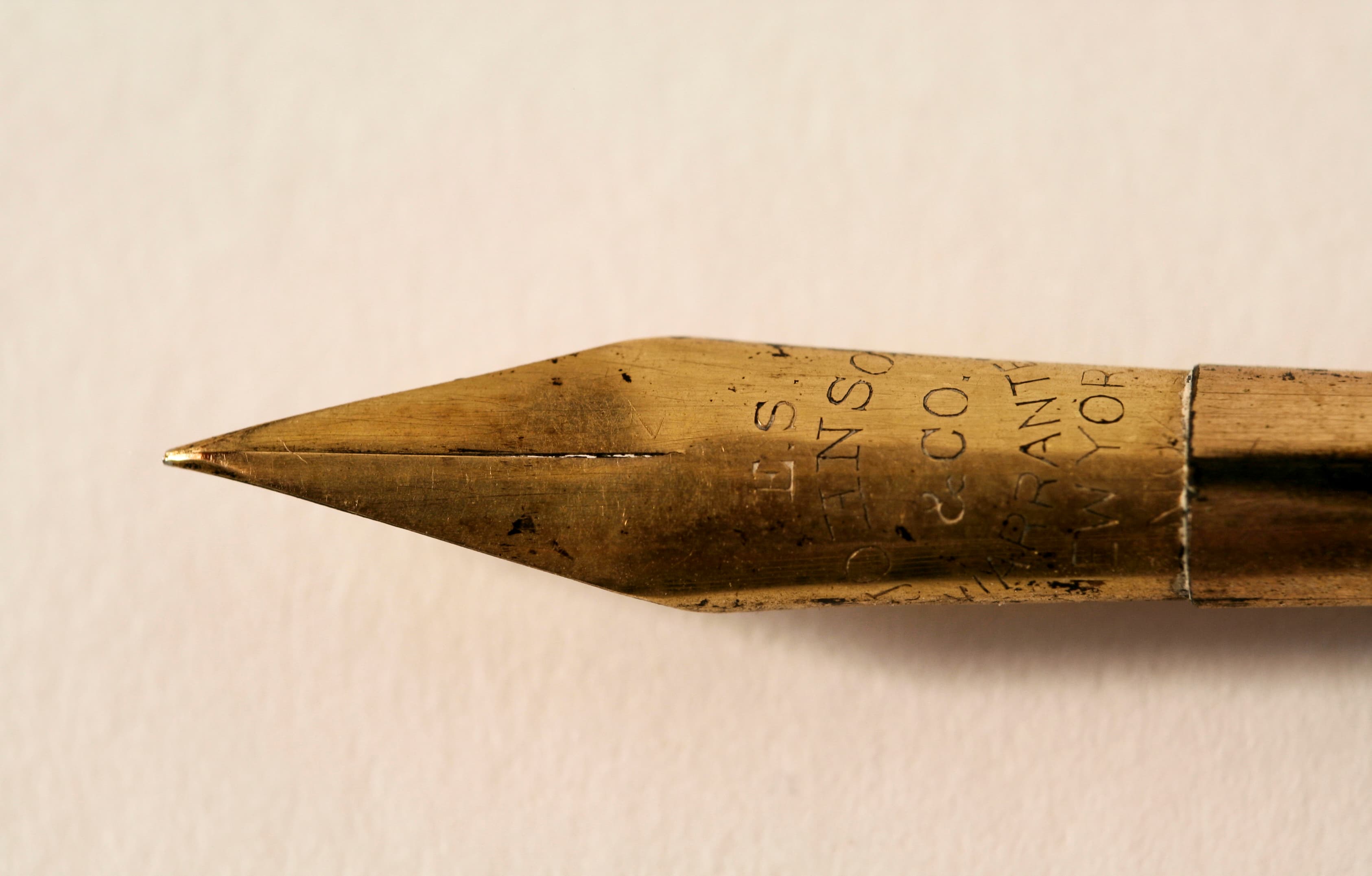
One script in ten is marked twice.
The hard part of this job isn't writing the books. It's making sure every score in them is one you could trust.
The first edition of The 6.5 Wall rewrote every essay at band 9. Students told us it was beautiful and useless: nobody can jump from 6 to 9. Since 2021, every rewrite goes one band up, no more.
We also used to answer emails at midnight. Now marking has a clear deadline, 72 hours, and a tutor you can reply to. Slower to promise, easier to keep.
“Most students are not one band away from their goal. They are one habit away.”